GDX TALKS · INTERVIEW INSIGHTS
From Local Trust to Global Connectivity
Eman Al Tal on ADRES, Madhmoun and the work of connecting trusted property information across borders.
With Eman Al Tal · Hosted by Natalie Ghazaley
Watch the full interview · 9:49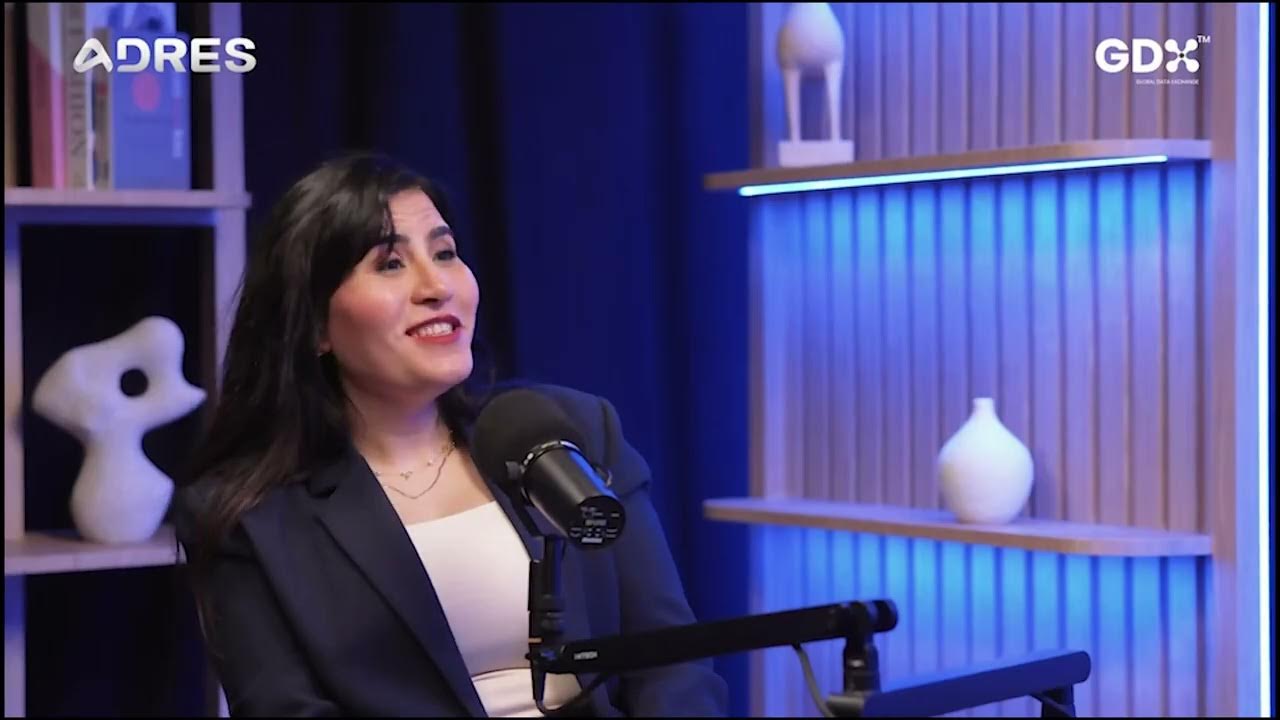
At a glance
Trust starts locally
Verified information and clear market rules give international connections a dependable starting point.
People make adoption work
Training and early broker involvement matter alongside the technical infrastructure.
Sharing needs agreed rules
Standards help systems communicate; rights and permitted uses still need to be agreed.
Building the foundations of a trusted market
In GDX Talks, Eman Al Tal, Product Lead at ADRES, joins Natalie Ghazaley to explain the work behind Abu Dhabi’s property information systems. Their conversation begins with a local problem: duplicate listings and inconsistent information make it difficult for people to know what they can trust.
Al Tal describes ADRES as a PropTech venture builder whose work includes government-facing digital infrastructure and private ventures. ThinkProp, its professional training venture, reflects an important part of that approach: people need to understand the systems they use. A platform becomes useful when market participants know how to work within it.
Madhmoun: addressing trust at the source
A central part of the discussion is Madhmoun. Al Tal describes its purpose as bringing structure to listing information and checking listings before they enter the market. The problems she identifies are familiar to anyone who has searched across fragmented sources: repeated advertisements, false inventory and conflicting details.
Her account connects verified listings with clear governance. The value goes beyond a tidier search result. Brokers, developers and prospective buyers need a common understanding of where information comes from and how it is maintained. These are the interview’s descriptions of the system, rather than an independent audit of every listing.
Why common standards matter
The conversation places RESO standards within that wider effort. Shared structures help systems interpret property information consistently, reducing the repeated translation work that can make connections between markets difficult.
RESO certification tests conformity with specified data standards. It should not be read as a guarantee that every property record is correct or that a recipient has permission to reuse every field, photograph or description. Technical compatibility and authorized use are separate questions.
The human challenge behind digital transformation
Al Tal identifies stakeholder alignment as a major challenge. Different organizations bring their own systems, incentives and working habits. She describes training sessions, partnerships and early involvement from brokers and developers as part of the work needed to make the change practical.
The lesson is useful for other markets developing shared property infrastructure. Explaining why information should be checked and how participants will use the system can help build confidence. Education remains part of implementation, rather than something added after the technology is finished.
Connecting markets while retaining local authority
For ADRES, the next question is how a structured local market can connect internationally. Al Tal presents GDX as a way to support those connections while retaining the originating market’s rules and attribution.
The interview distinguishes data exchange from property marketing. A portal helps people discover advertised properties; an exchange focuses on moving information between participating organizations under agreed conditions. GDX describes its approach as federated, with participating organizations controlling their sharing choices.
Those descriptions do not mean that all inventory is automatically available everywhere. The scope of a connection, the recipients and the permitted uses still depend on the relevant agreements. A broader audience also does not remove the need to check local market practices.
Reliable information before wider opportunity
Al Tal expects AI to influence property discovery, valuation and decision-making. Her emphasis is on the information behind those tools: inconsistent data limits the reliability of the resulting analysis. Standards and source checks can support more useful applications, but they do not make an AI result correct by themselves.
She also describes a future in which an investor in London or Singapore can explore opportunities in Abu Dhabi more easily. This is a vision for international connectivity, not a claim that every connection already exists or that wider access guarantees an investment outcome.
The conversation returns to its starting point. A market’s ability to connect internationally depends on the trust established locally, the information it can share and the rules that travel with it.
The people and the conversation
This article is adapted from Fateme’s interview draft and checked against the complete GDX Talks conversation with Eman Al Tal, hosted by Natalie Ghazaley. The original interview was published on 22 May 2026. Interview views are paraphrased; automatic captions are not treated as certified quotations. The guest and host are not credited as article authors.
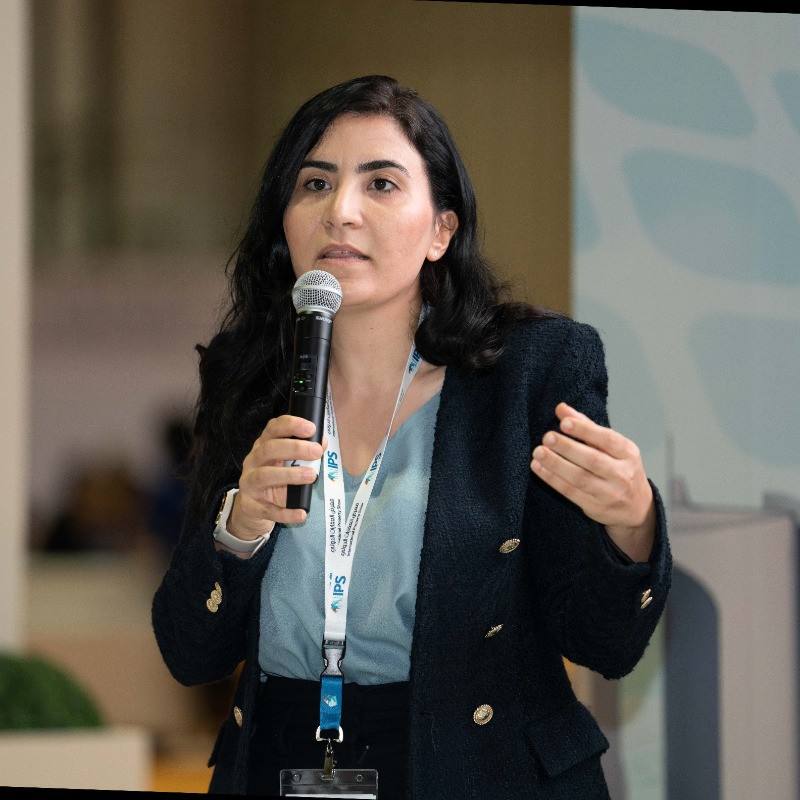
Professional details use the approved Industry Directory records reviewed for this article. Future possibilities describe the interview’s views, not a guarantee of available feeds, AI performance or investment outcomes.